
About MindSkiller
A modern mental healthcare ecosystem, built on education
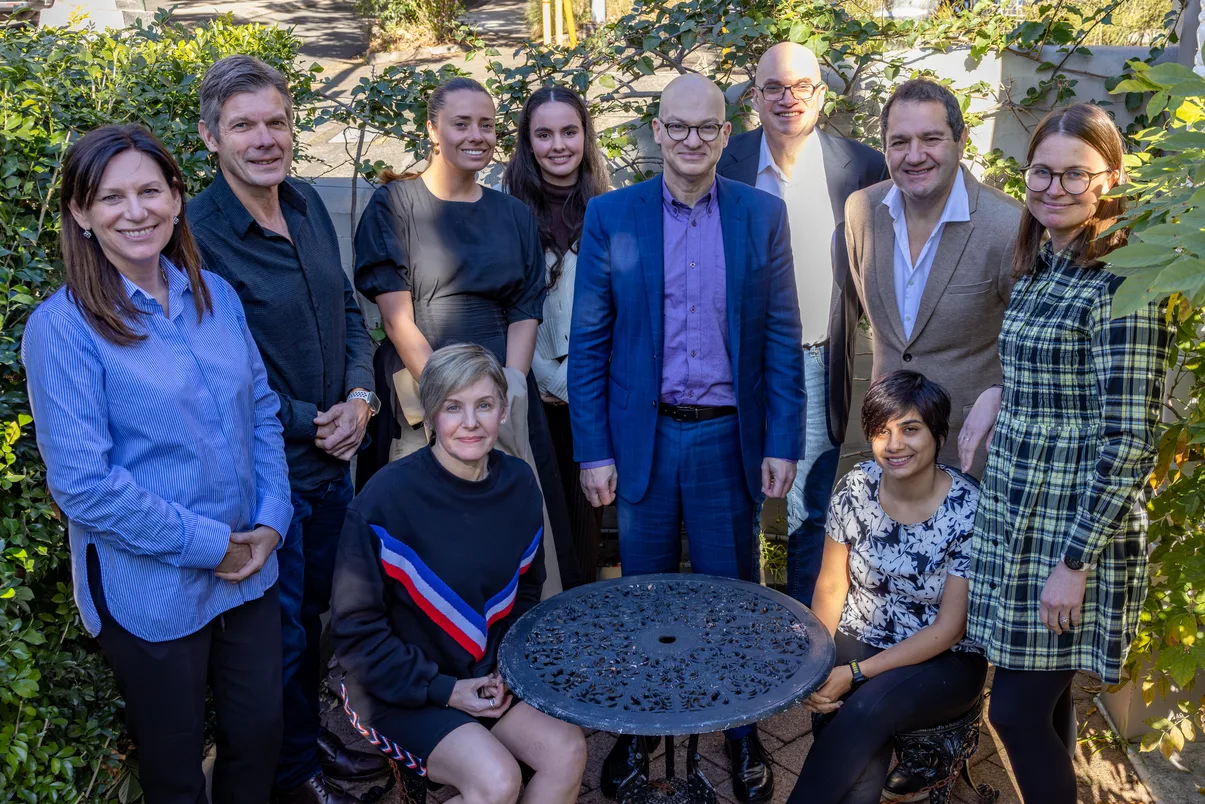
Redefining the Infrastructure of Mental Health
MindSkiller is a clinician-led mental healthcare ecosystem designed to make high-quality, person-centred care easier to understand, deliver, and scale.
At its core is a shared, data-driven biopsychosocial education framework. This foundation supports collaborative care, advanced treatment programs, and responsible use of emerging technologies — without reducing care to managed or algorithm-driven models.
Education is not an add-on. It is the infrastructure.
Get started for free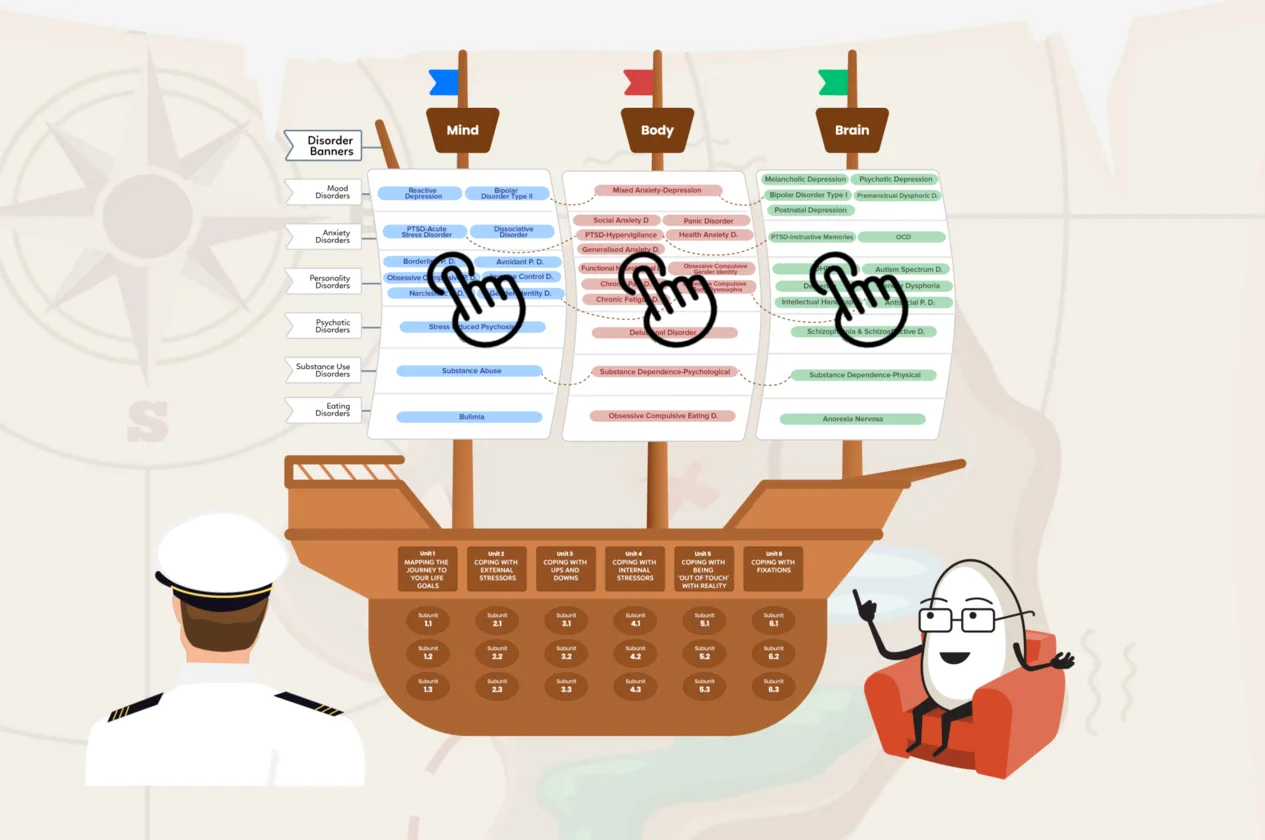
13 general eLearning units + 11 knowledge checks
These 24 modules cover general principles of mental health for high-prevalence disorders (mood, anxiety, personality and ADHD)
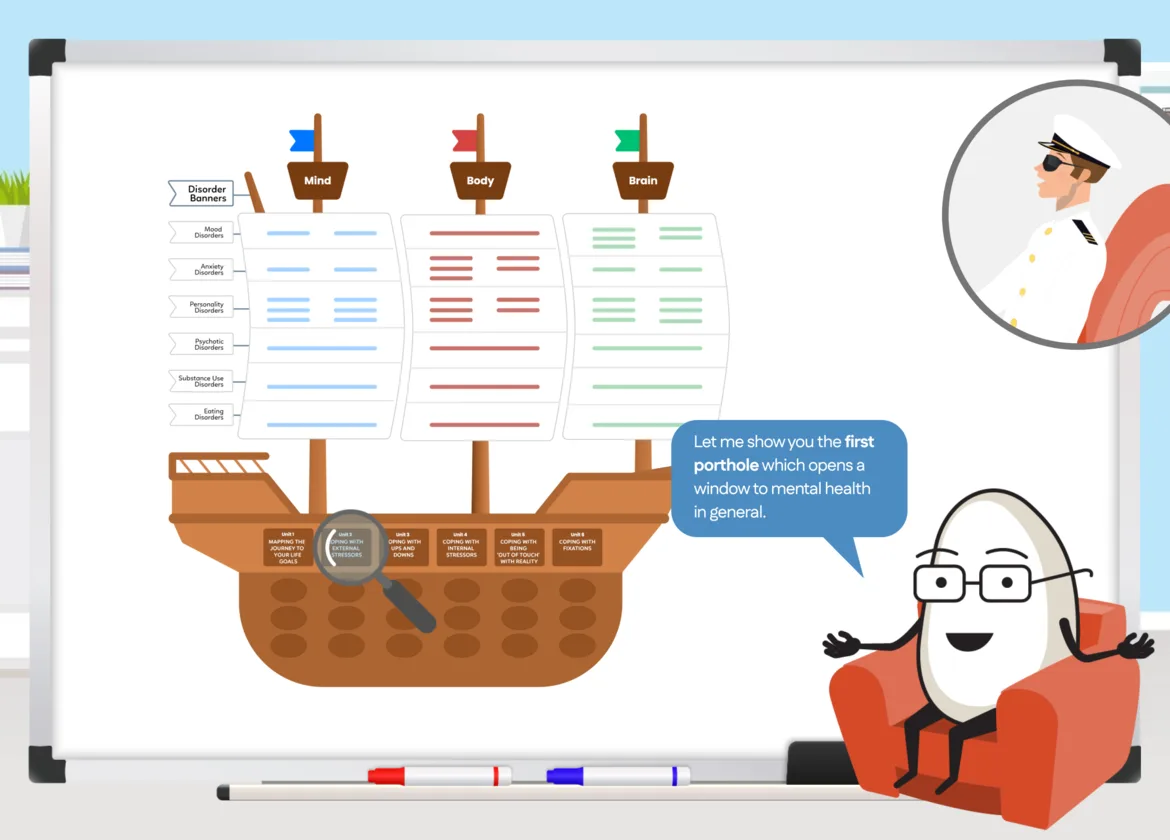
More than 40 diagnosis-specific eLearning units divided into their root causes
8 diagnosis units available in Version 1.0:
- Mood disorders: major depressive, mixed anxiety-depression, melancholic
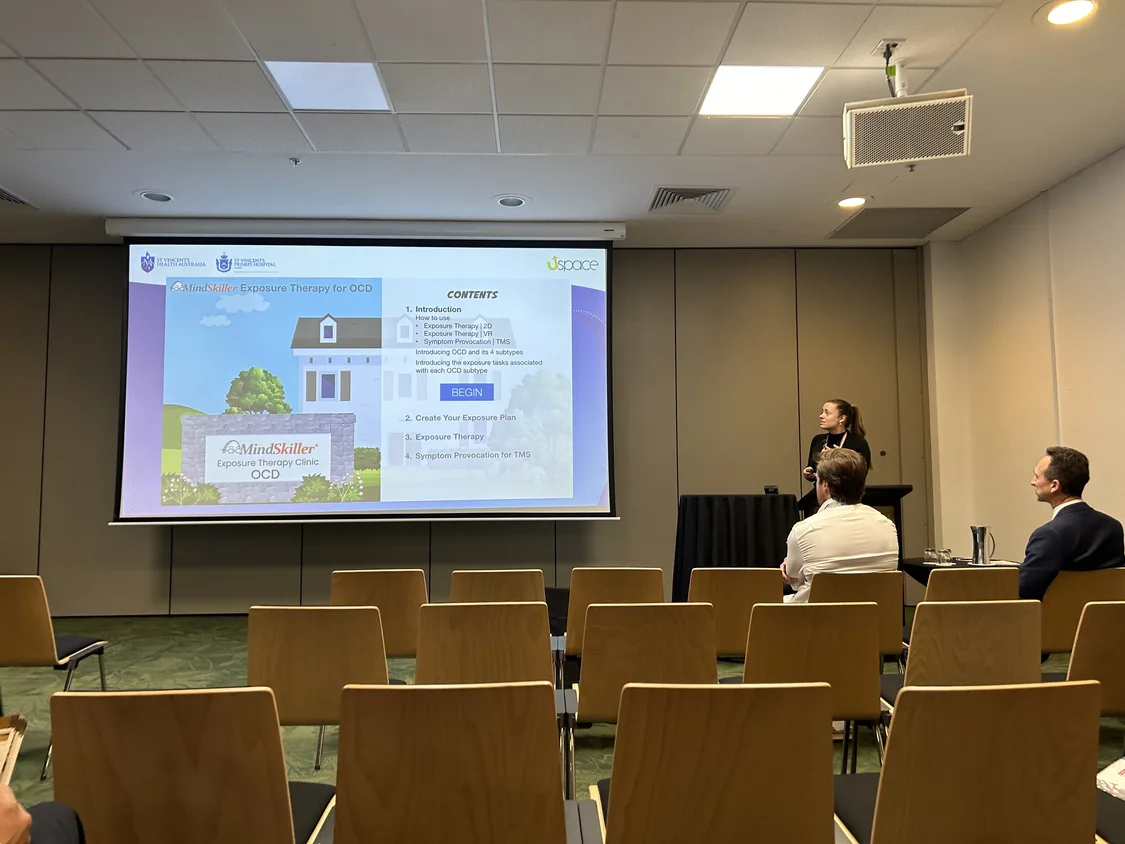
- Anxiety disorders: PTSD, panic disorder, OCD
- Borderline personality disorder
- ADHD
From understanding to care
MindSkiller supports Advanced Treatment Programs delivered through real clinics and care teams.
These programs combine:
- Shared education and understanding
- Multidisciplinary collaboration
- Structured care pathways
- Technology-enhanced interventions
Care becomes easier to coordinate, more consistent, and more sustainable — working alongside existing practices rather than replacing them.
Disruptive technologies, integrated responsibly
Precision, personalised, and technology-enabled interventions are inherently disruptive. While clinicians have adapted rapidly to telehealth and AI tools, these technologies are rarely integrated cohesively into real-world clinical workflows.

MindSkiller approaches disruption deliberately
Rather than introducing tools in isolation, the system integrates emerging technologies into structured models of care — improving outcomes while also enhancing productivity, team efficiency, access, and affordability.
Technology creates the opportunity to:
Used well, technology allows clinicians to practise in ways that retain what has always mattered in good care — judgement, relationship, and collaboration — while bypassing inefficiencies that have accumulated through bureaucracy and fragmentation.