
MindSkiller in Practice
Developed in real clinical settings
MindSkiller has evolved through sustained use in real-world settings - not as a theoretical platform.
A clinical incubator for Innovation
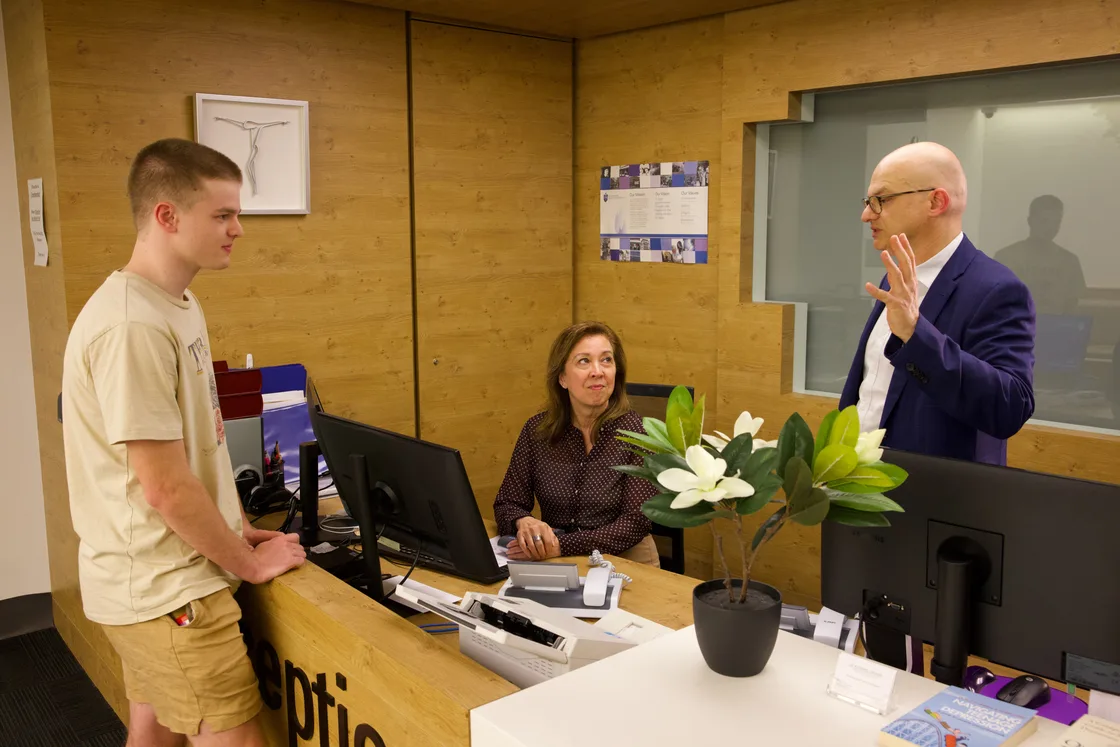
Development has been closely linked to Uspace, the Young Adult Mental Health Service at St Vincent’s Private Hospital Sydney - an early-intervention inpatient service for people aged 16-30.
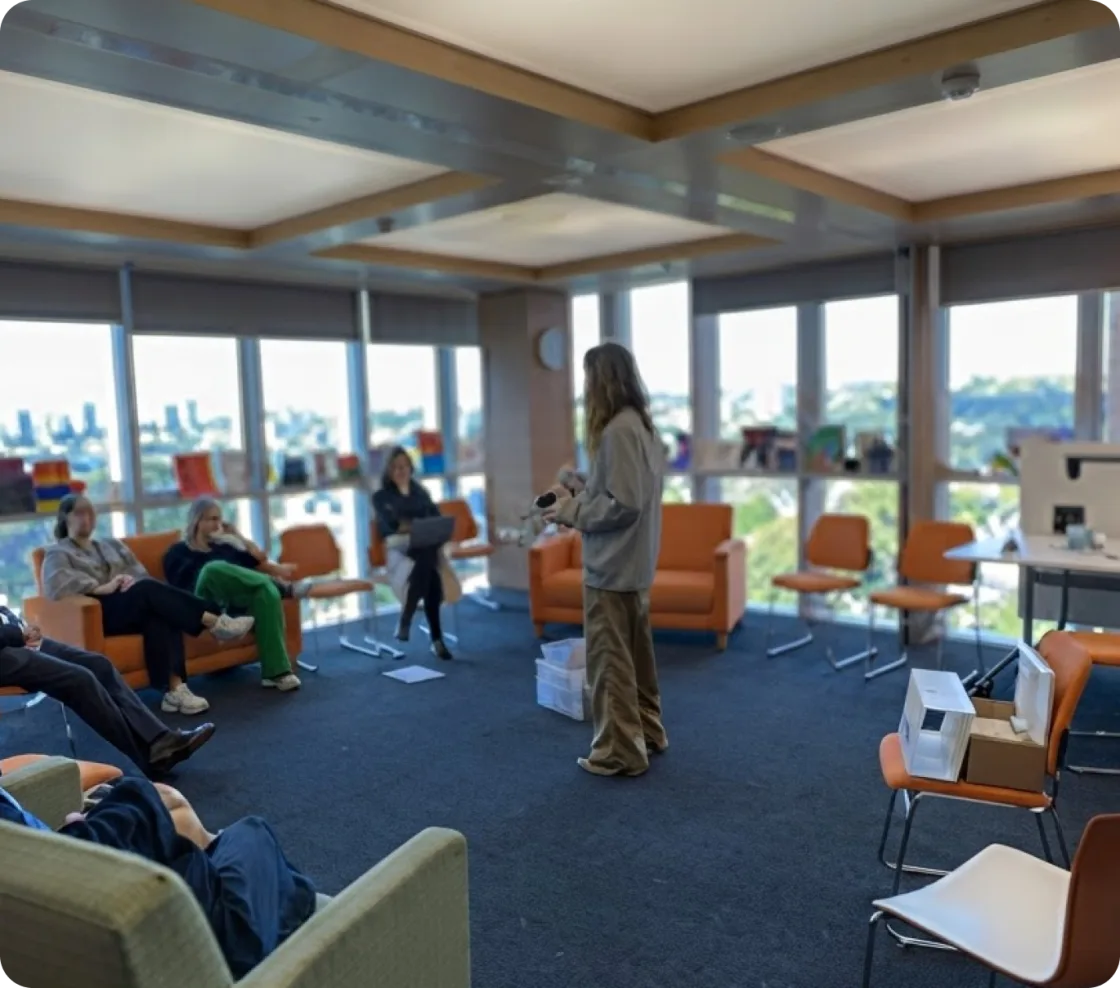
Within this setting, MindSkiller’s education-first and shared-care approach was co-designed and refined with patients and multidisciplinary teams.

From Education
to Programs
Education became infrastructure, not content. MindSkiller is now extending into outpatient and community-based Advanced Treatment Programs, improving access and affordability while retaining clinical governance.
What began as education expanded into:
Integrating advanced interventions
MindSkiller has supported the integration of:
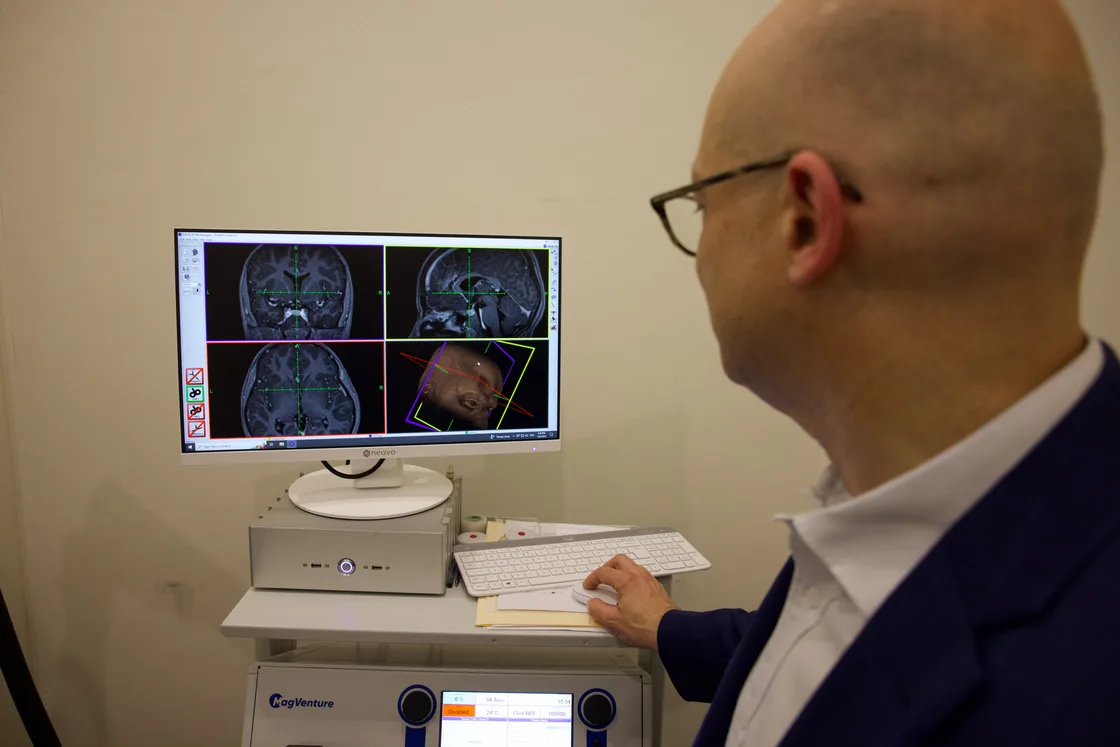
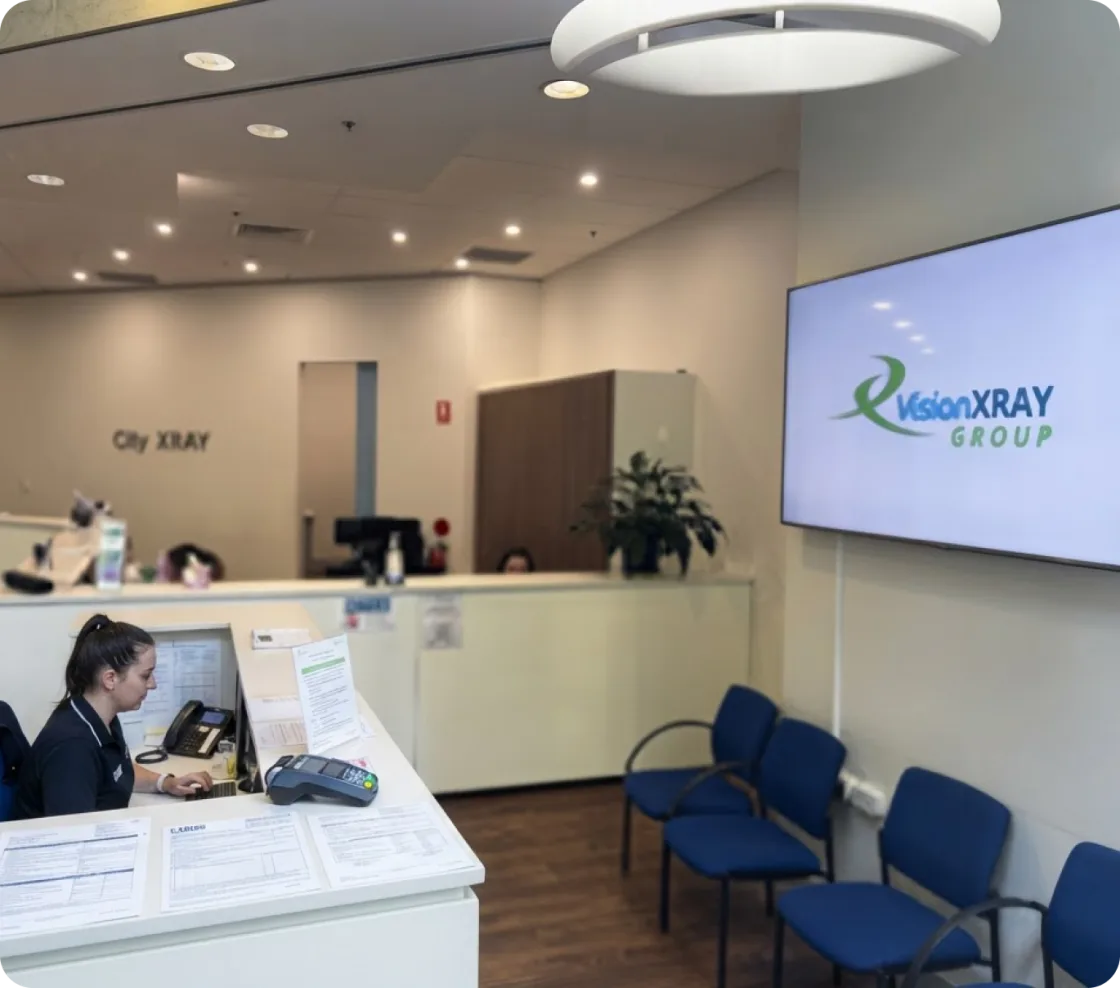
- MRI-guided TMS delivered through specialists radiology settings
- Structured treatment programs for depression and OCD
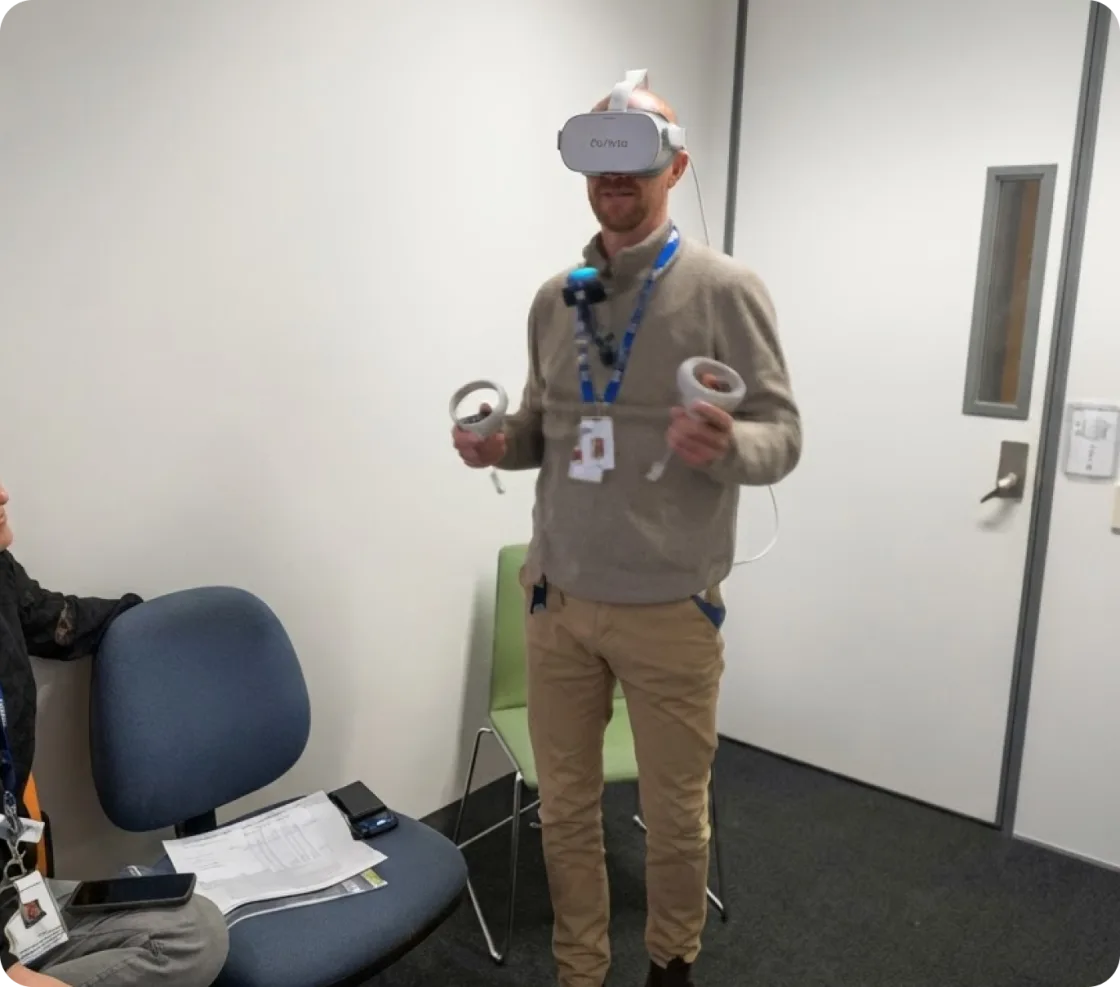
- Exposure-based and immersive therapies
- AI-guided and digital clinical tools
These interventions are embedded in programs, not deployed as standalone technologies.
Translating Research into Real-World Practice
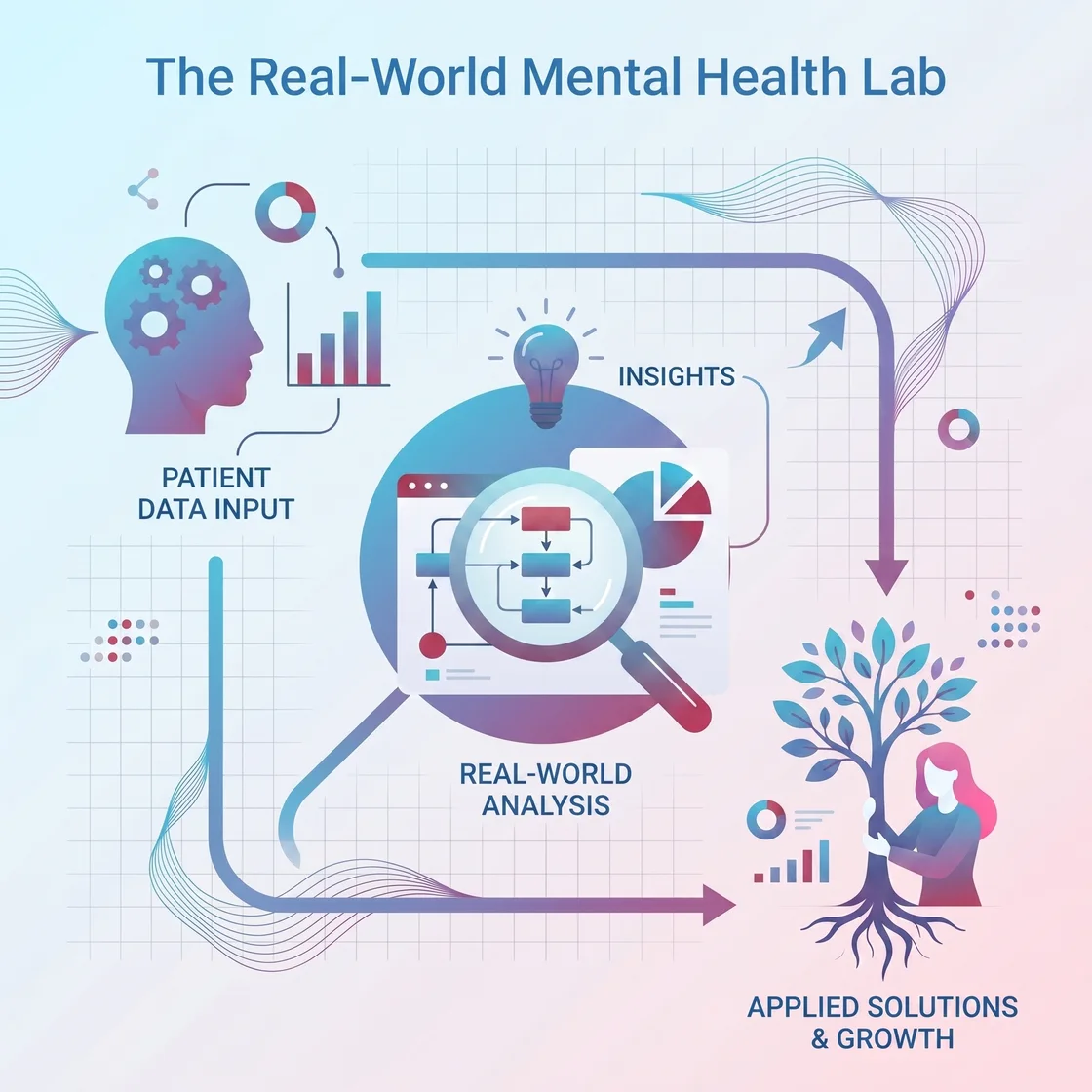
Ethics approval has been obtained where care is delivered. Rather than separating research from clinical practice, MindSkiller operates as a real-world mental health laboratory - embedding ethics-approved research into everyday care, education and multidisciplinary workflows.
Learn more about our Research Program