Advanced Programs
Integrated Programs & Digital Interactive Forms
Transforming fragmented mental healthcare into coherent, data-driven shared care pathways.

MindSkiller facilitates mental healthcare to be delivered as coherent, evolving hi-tech programs - not fragmented encounters
Our care pathways are organised around 4 core programs:
- Advanced treatment
- Education & training
- Research
- Work Health & Safety
These programs combine:
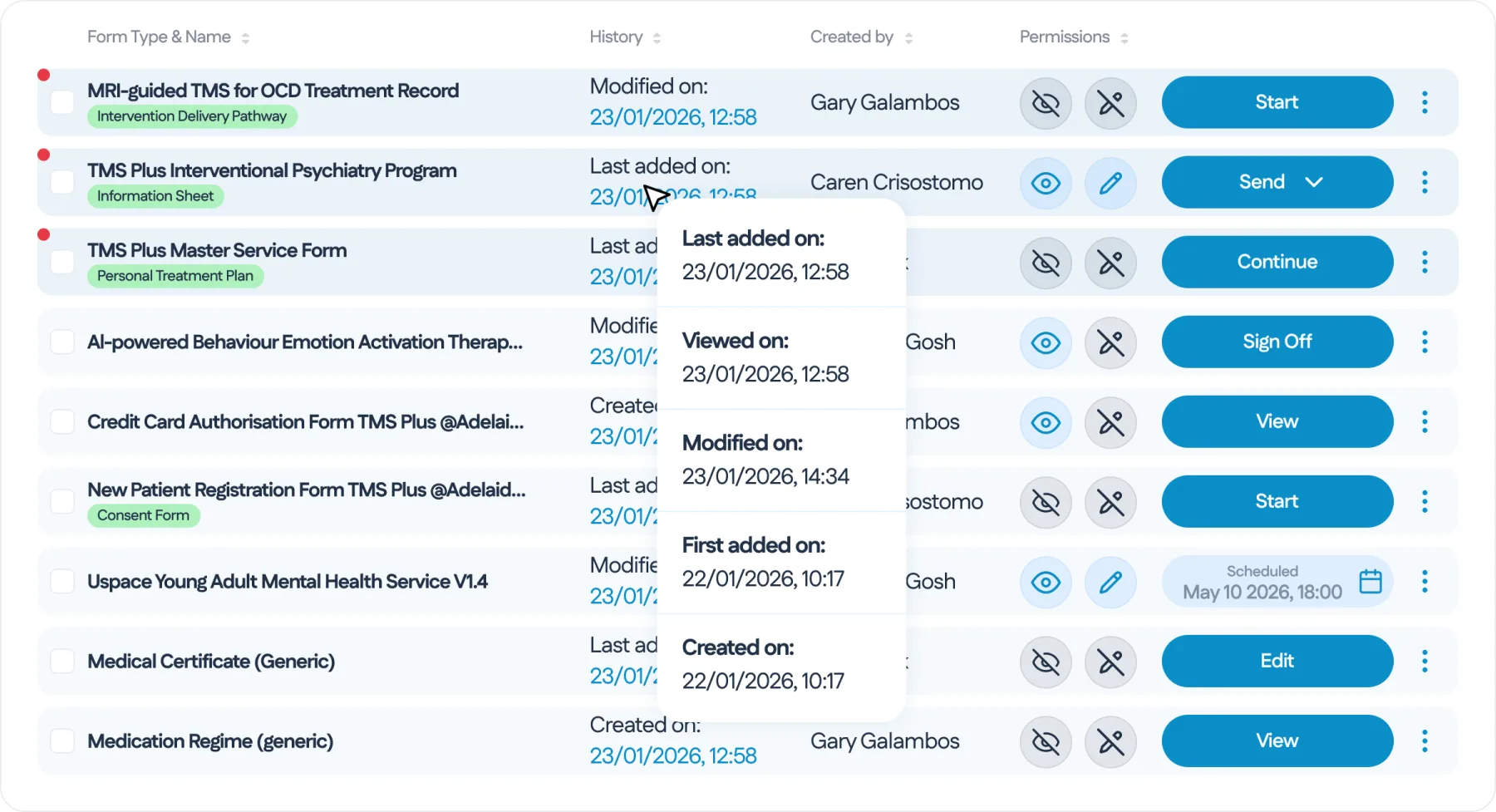
How digital forms work
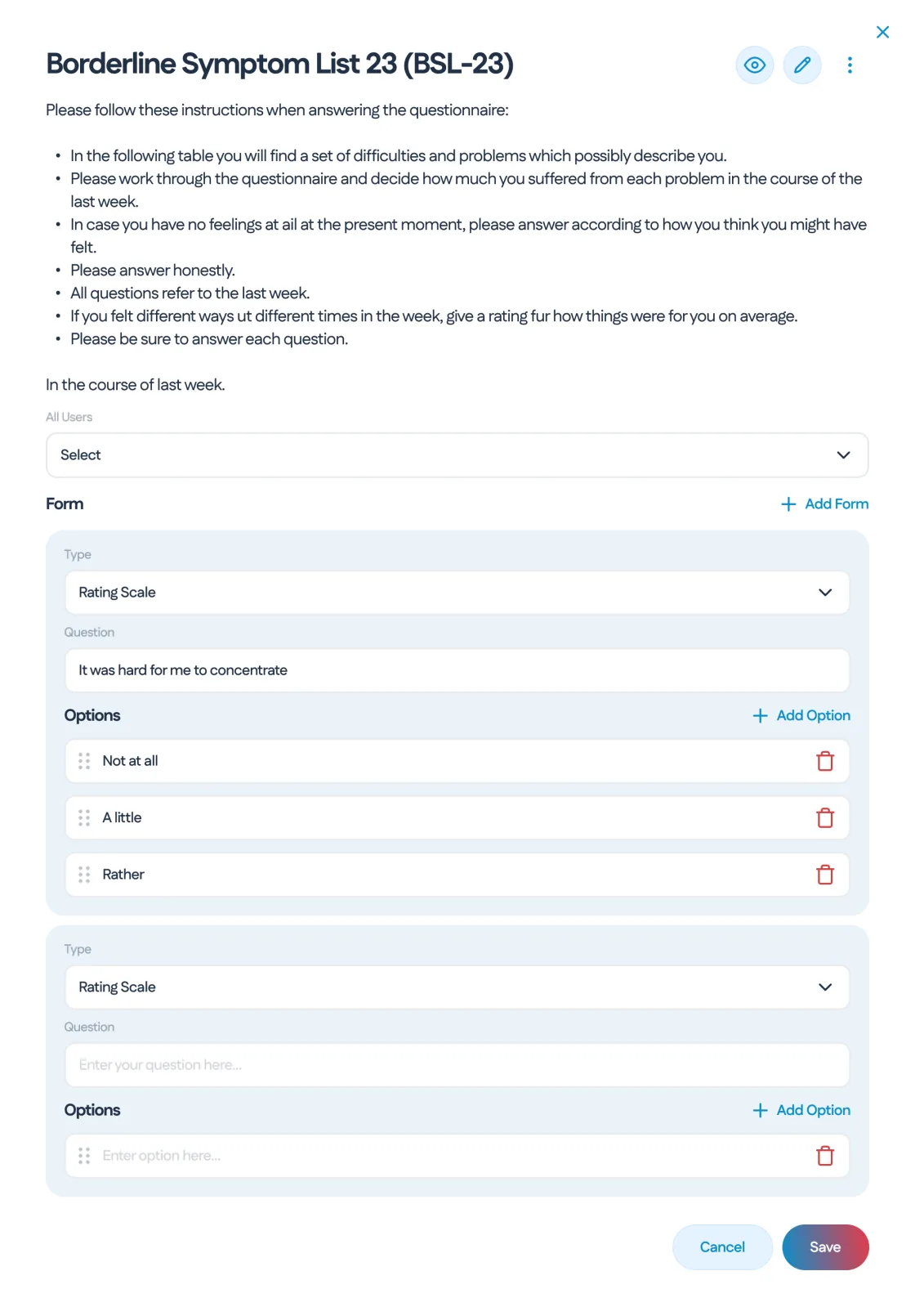
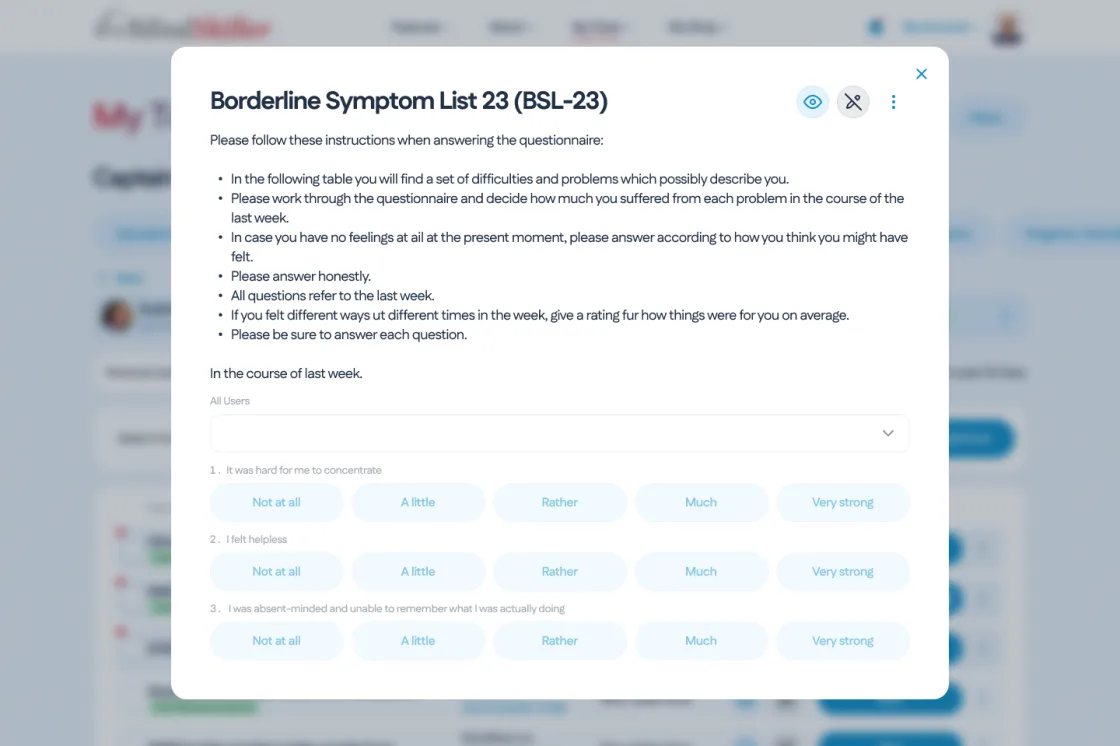
MindSkiller provides a range of digital interactive forms to deploy
- Advanced Programs in clinical, business, training & research settings
- Clinical support tools
- Interventional delivery pathways for technology-enabled interventions
- Remote clinical governance for interventions
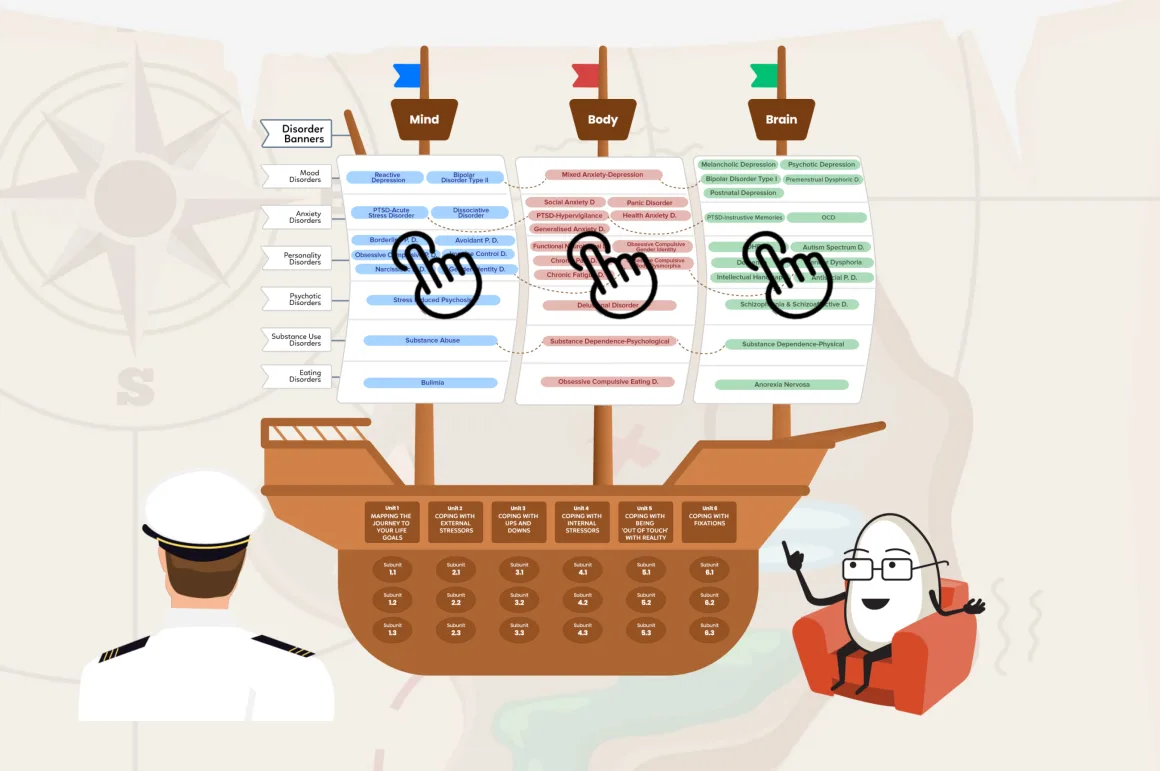
Service-based forms have been developed to assist teams to conduct case management and person-centred shared care. These serve as living maps - help-seeker journeys, control panels and dashboards - to guide triage assessment, management and outcomes across teams.
These master forms provide a consistent structure so that everyone in the ecosystem speaks a shared language, can collaborate to support the needs of the help-seekers engaged in their service, and can make the help-seeker journey as smooth as possible for them.

The Service Plan - Your Master Map & Control Panel
The master forms allow services to organise the workflow of their triage assessment and management processes. The structure also enables pristine data to be accessible for AI analysis.
Every program is anchored by the master form catering to the service, serving to work as a:
A Flowchart
to reflect an episode of care facilitating team case management and collaboration with external service providers via information exchange and referral pathways
A Control Panel
to launch eLearning modules, information sheets, consent forms, referrals, and outcome measures
A Dashboard
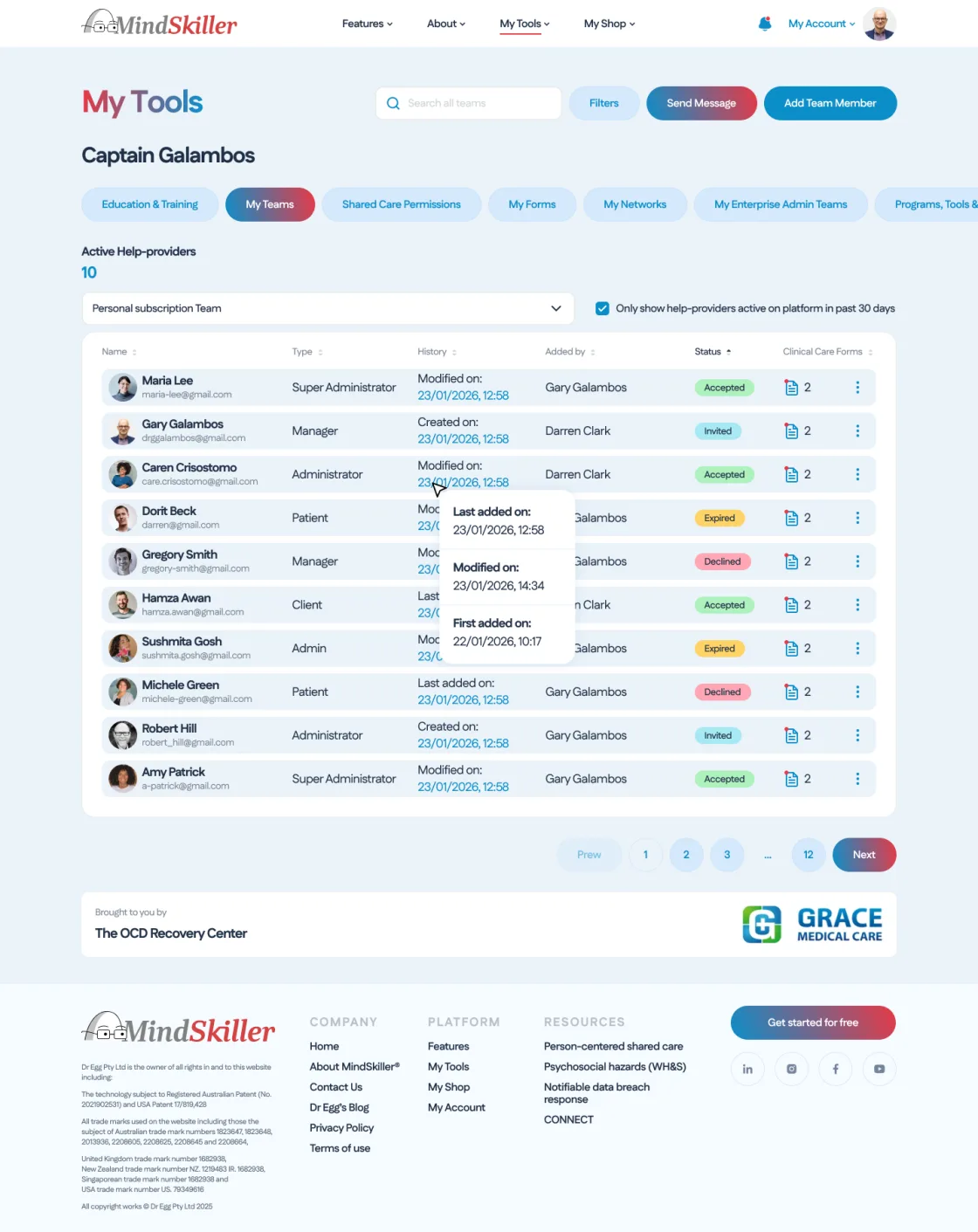
that enables viewing of all attached forms in the form of popups within the master form - assisting the content of all attached forms to be efficiently tracked
Clinical
Support Tools
The platform is designed to house multiple clinical support and risk management tools - either incorporated into the platform or to be available via Shop for purchase or subscription, available in your My Tools control room.
Examples of clinical support tools are:
Psychiatry-grade next-generation eLearning program
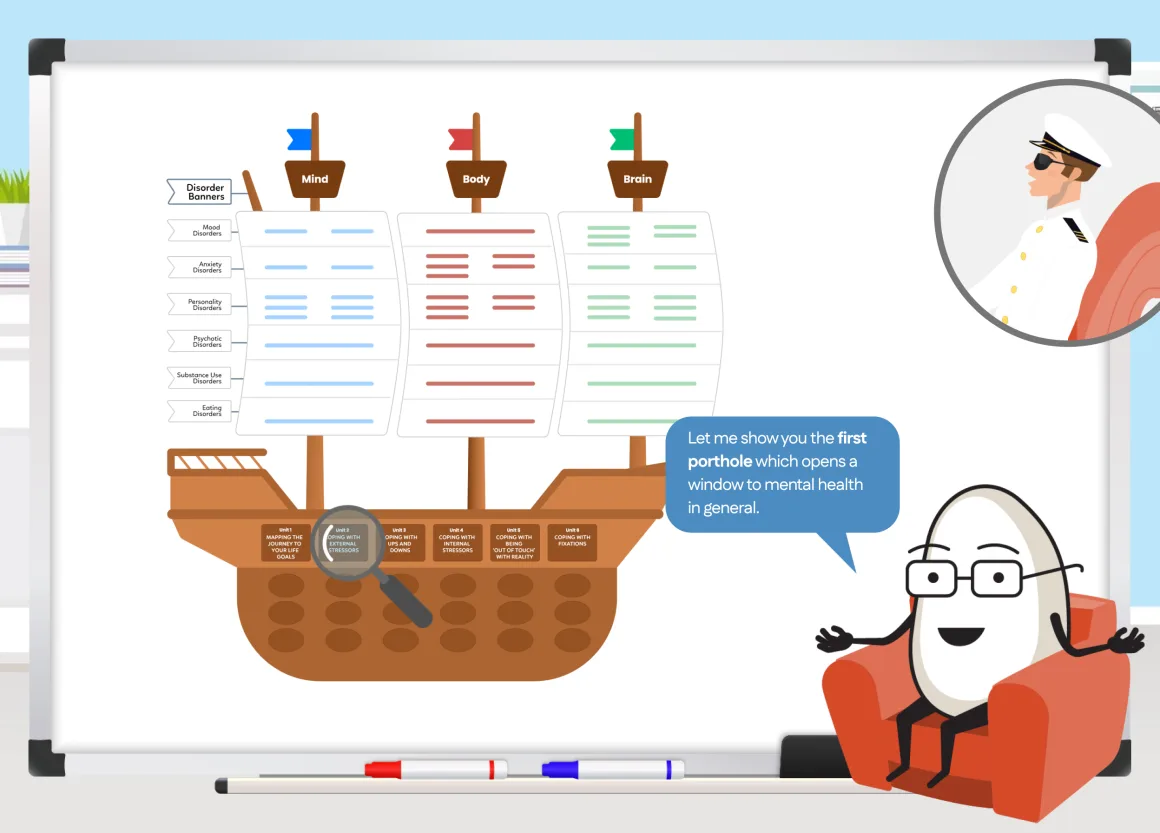
for sophisticated mental-health literacy, through the unique immersive, role play-based design integrating biological, psychological, and social lenses
Master service forms
form Personalised Treatment Plans (Clinical Teams), WH&S Plans, Training Plans (Clinical and Business Teams), & Clinical Research File Checklists (Research Teams)
Self-Coordinated Plan
to provide help-seekers with a personal map of goals, programs, tools and service providers supporting their recovery, resilience and mental fitness journey. The Plan enables documentation, monitoring, and coordination of their journey
2D Exposure Therapy for OCD (2DET4OCD)
as a standalone digital exposure therapy tool or to be used in conjunction with the VR exposure therapy intervention - available via the Shop or a package of care via an accredited service provider
Outcome measures
which are built into every master plan and are available independently to:
- Track progress and maintain clinical quality.
- Empower individuals and teams to see what’s working.
- Provide transparent, clinician-led data to demonstrate value and resist attempts by some corporations to introduce managed care practices
AI-powered assessment tools
accessible via subscription via Shop
AI-powered summary tools
within service-based care pathways and intervention delivery pathway forms
Analytics & Dashboard Insights
accessible via the Enterprise Plan dashboard showing de-identified, aggregated statistics across the network of sponsored teams - tracking engagement, tool usage, and outcomes, and generating AI-assisted market or performance analysis without needing a formal research setup
2DET 4 OCD
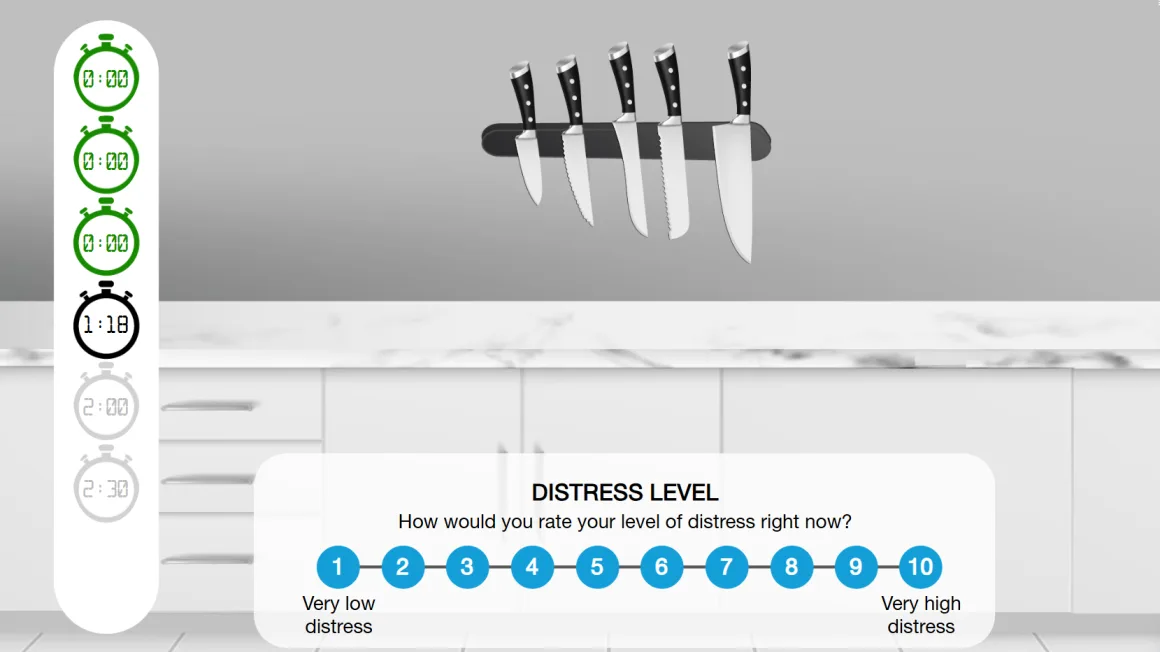
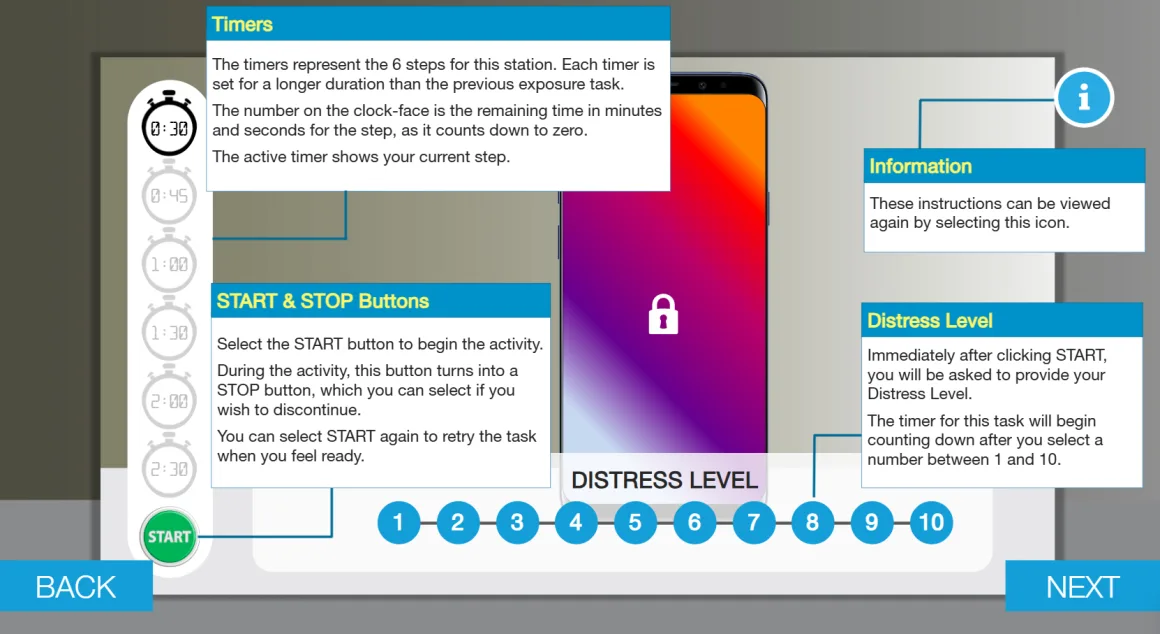
2DET 4 OCD is a digital cognitive behaviour therapy (CBT) intervention built using eLearning tech, enabling patients to engage in protocolised yet personalised gamified exposure therapy. It can be used by the treating clinician to collaborate with their patient to develop an exposure plan so that their patient practices exposure therapy between sessions. It has also been designed to work in conjunction with a co-bundled VR exposure therapy intervention which can be connected to a scent device for olfactory immersion.