
Building the TMS Plus Team: The People Behind Multimodal Interventional Psychiatry

Oct 01, 2026
Over the past year, TMS Plus has been evolving from an advanced TMS service into something broader: a multidisciplinary interventional mental health ecosystem.
The technology is certainly exciting.
MRI-guided TMS and neuronavigation. Personalised psychological interventions. AI-generated therapeutic media. Alternative reality. Digital psychometrics and outcome monitoring. More recently, we have even begun exploring programmable olfactory stimulation as another component of multisensory therapeutic immersion.
But the most important ingredient isn't a piece of technology.
It's the team.
Our model of TMS Plus is based on bringing different disciplines, technologies and therapeutic approaches together around an individual patient.
As the model has developed, so too has the group of people contributing to it.
We'd therefore like to introduce some of the newer members of the TMS Plus team.
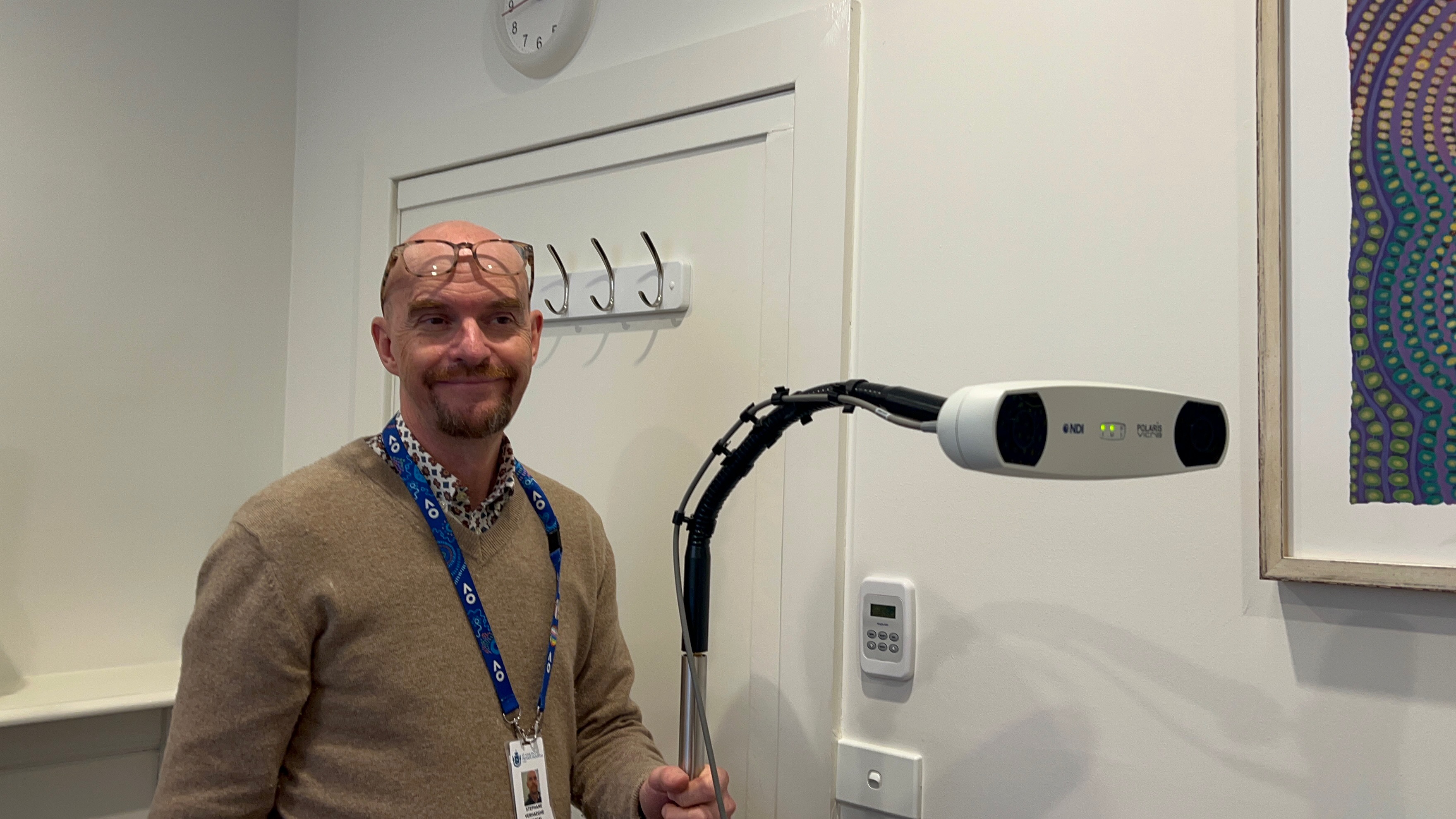

Dr Stéphane Verhaeghe
Neurologist | Researcher | Clinical Innovator | Co-Founder, Immersive Therapeutics
Stéphane brings to TMS Plus a particularly valuable combination of neurology, neuroscience, research and technology innovation.
Through his startup Brain Vector, Stéphane has been developing AI-generated video experiences designed around performance enhancement and the ways personalised audiovisual content can influence attention, motivation and mental state.
We are bringing that expertise into mental healthcare through a new co-venture, Immersive Therapeutics.
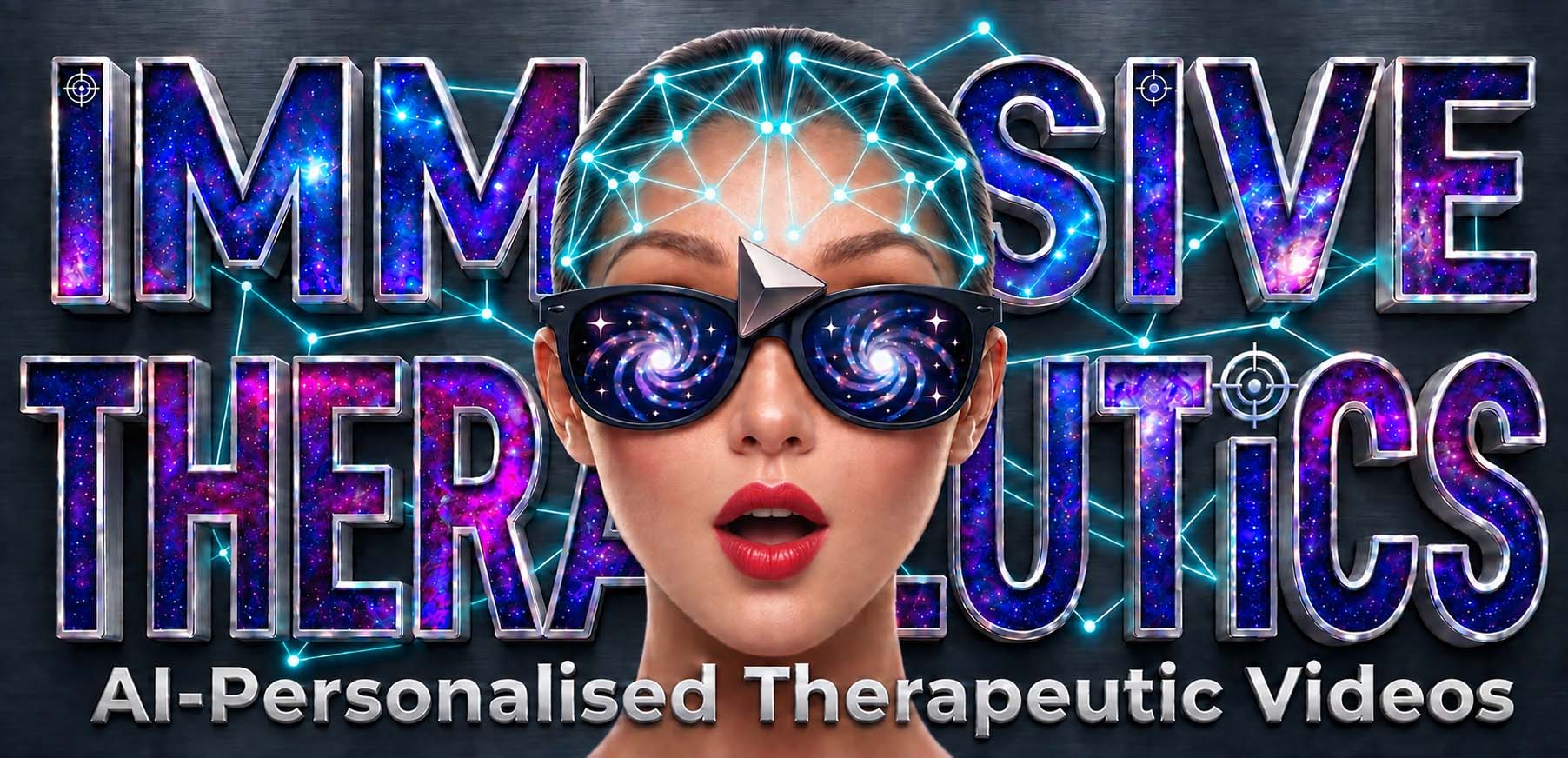
The idea is to evolve this technology from performance-enhancing AI-generated video into AI-Personalised Immersive Therapeutic (AI-PIT) experiences: highly individualised therapeutic videos developed from a clinician-led formulation and designed around the particular psychological work a person is undertaking.
Within TMS Plus, this is already taking several forms. AI-ERP can support personalised exposure and response prevention; AI-BEAT draws upon positive autobiographical memories, meaningful people and places, interests, values and future goals; and AI-REFLECT helps patients reflect upon and consolidate what they have learned through treatment.
AI provides a new production capability, allowing therapeutic material that has been developed with the patient and their clinicians to become increasingly personalised and immersive.
Stéphane's involvement goes beyond bringing another technology into TMS Plus. Through Brain Vector and Immersive Therapeutics, we are exploring a broader question: can advances originally developed to optimise human performance be clinically adapted to enable patients engage deeply with psychologically salient therapeutic experiences?
That question becomes particularly interesting when personalised audiovisual content can be combined with AR-based immersion, MRI-guided neuromodulation and, increasingly, multisensory elements such as programmable scent.
It is precisely the kind of intersection between neuroscience, clinical care, research and technology development that we want TMS Plus to provide a platform for.


Dr Chester Omana
Psychiatrist | Psychotherapist | Interventional Psychiatry
Dr Chester Omana brings broad experience across general adult psychiatry, psychotherapy, rehabilitation psychiatry and addiction medicine to the developing TMS Plus multidisciplinary team.
His clinical experience encompasses anxiety and mood disorders, personality disorders, substance-use disorders and psychotic illness in the public and private sectors. He previously served as a director within the Prince of Wales mental health rehabilitation service, where his work emphasised identifying individual strengths and improving function and recovery.
A particularly valuable aspect of Chester's approach is the breadth of his psychotherapeutic training. His practice draws on DBT, CBT, motivational interviewing, mindfulness-based CBT, ACT and Bowen family systems approaches, tailored to the individual person's needs and goals. He also considers lifestyle factors—including sleep, exercise, diet, daily structure and activity—and the influence of family relationships on mental health and functioning.
Chester has a strong interest in psychopharmacology and evidence-based treatment, working collaboratively with GPs, psychologists, families and colleagues across different psychiatric subspecialties. He also provides supervision to colleagues and trainees.
Within TMS Plus, this broad clinical background is particularly relevant to the emerging model of multimodal interventional psychiatry. Rather than approaching neuromodulation as an isolated technical procedure, Chester brings together psychiatric formulation, psychotherapy, behavioural change, pharmacological treatment and an understanding of the person's wider relational and functional context.
His developing work within the TMS Plus ecosystem includes advanced neuromodulation, MRI-guided TMS, personalised therapeutic media and emerging interventional approaches such as ketamine.

Giovanna Cavego
Enrolled Nurse
Giovanna joins TMS Plus as an enrolled nurse and brings experience extending beyond healthcare alone. That broader background is valuable in a service that is itself still developing.
Her role encompasses the practical clinical work involved in supporting patients through treatment, while also contributing to the systems, protocols and patient experience required to make an emerging service function reliably.
TMS remains a very human treatment. Patients attend repeatedly, spend considerable time with the treatment team and often undertake psychologically challenging work during their course.
The nursing relationship matters enormously.

Holly Ratajec
Psychologist | Researcher | Sessional Academic
Holly brings to TMS Plus a combination of clinical psychology, research and academic experience, with a particular passion for translating research into clinical practice.
Her research background includes a focus on neurodegenerative disease, alongside experience across private health, not-for-profit organisations, tertiary education and training, research and policy, and clinical trials. What excites Holly is her interest in bringing practice and research together.
Her approach to clinical work lends itself naturally to systematic data collection and outcome measurement, and she is keen to contribute not only to patient care but also to the implementation, evaluation and continuing development of TMS Plus protocols.
This is particularly relevant to our multimodal approach. Technology does not replace psychological treatment in TMS Plus. If anything, integrating neuromodulation with psychologically meaningful activity makes psychological formulation even more important.
Holly is interested in learning to deliver TMS Plus while helping us further develop the protocols through which psychological interventions and neuromodulation can be deliberately integrated. This includes approaches such as exposure and response prevention, behavioural activation, autobiographical and emotionally salient material, and other therapeutic tasks that can be incorporated into personalised treatment.
Our AI-Personalised Immersive Therapy (AI-PIT) work is an obvious area for this collaboration. The clinician determines the formulation, therapeutic objectives and boundaries, while AI provides a production capability for transforming clinician-directed material into highly personalised therapeutic experiences.
Holly is also interested in contributing to the development and evaluation of our ketamine treatment pathway, including undertaking further training as that program develops.
Perhaps most importantly, Holly shares one of the central ideas behind what we are trying to build with TMS Plus: clinical practice should generate questions and data that inform research, while research should find its way back into better clinical care.
Her longer-term ambition to combine practice, research, teaching and supervision makes TMS Plus a particularly natural environment in which to develop that work.

Nadine Galambos
Medicinal Pharmacy Student | UNSW
Nadine is studying Medicinal Pharmacy at UNSW and brings another perspective from the next generation of healthcare professionals contributing to TMS Plus.
Her involvement provides exposure to an emerging model of mental healthcare in which pharmacology, neuromodulation, psychological treatment, neuroscience, digital technologies and measurement-based care can increasingly intersect within an integrated treatment pathway.
For TMS Plus, involving students is also part of a broader commitment to education, research and developing future capability in interventional mental health care.
Nadine also brings the curiosity and fresh perspective of emerging healthcare professionals to a multidisciplinary team exploring how personalised interventional psychiatry may continue to evolve.


Becky Kaye
Pre-Medical Student
We are delighted to have Becky contributing to the program as a pre-medical student.
Interventional psychiatry is developing quickly, and exposing future doctors to the field while it is still evolving is important.
Becky has an opportunity to observe something broader than TMS itself: how psychiatry, psychology, neurology, radiology, nursing, research, digital health and emerging technologies can intersect around patient care.
She brings the curiosity and questioning of a student at the beginning of her medical journey.


Dorit Beck
TMS Plus Coordinator
Complex multimodal care needs talent that can make the pieces work together
Dorit has taken on the crucial role of TMS Plus Coordinator, helping patients navigate a treatment journey that involves psychiatric assessment, MRI-guided neuronavigation, TMS schedules, and streamlined billing.
As our model has grown, we have become increasingly aware that multimodal, multidisciplinary care can inadvertently create fragmentation unless someone proactively connects the different components.
Coordination is therefore itself an important part of the model.
It is also why we have been developing MindSkiller as the digital infrastructure surrounding TMS Plus—to help connect assessment, treatment planning, therapeutic content, outcome monitoring and follow-up across the patient journey.
Dorit provides the human counterpart to that digital coordination.
Technology is only useful when people make it work together
Our recent description of TMS Plus identified six ingredients that can potentially be brought together within a treatment course: MRI, TMS, psychotherapy, AI-PIT, multisensory immersion and MindSkiller.
The multidisciplinary team is the seventh ingredient.
The objective isn't to accumulate technology. It is to bring together people with different expertise who can decide when technology is useful, when it isn't, how it should be applied and—most importantly—how it can remain centred around the individual receiving treatment.
That's why we're excited about the growing TMS Plus clinical team: Dr Stéphane Verhaeghe, Dr Chester Omana, Dr Holly Ratajec, Dorit Beck, Giovanna Cavego, Becky Kaye and Nadine Galambos, all working alongside our existing clinical and research collaborators. We also work closely with the radiologists, radiographers and technicians of the VisionTMS teams, whose expertise is integral to delivering the imaging and precision neuromodulation components of the program.
It is deliberately a diverse ecosystem: psychiatry, neurology, psychology, nursing, pharmacy, radiology, research, technology and the next generation of healthcare professionals.
Different disciplines. Different perspectives. A shared interest in exploring what the next generation of personalised interventional mental healthcare might look like.
TMS Plus is about getting the right people, science and technology to work together around the person receiving care. Pasted markdown
#TMSPlus #InterventionalPsychiatry #TMS #Neuromodulation #MentalHealthInnovation #PrecisionPsychiatry #DigitalMentalHealth #ClinicalResearch #Psychology #MentalHealthNursing #AIinHealthcare